The straw ammonium sulfite pulp is completely free from chlorine-based bleaching agents
The use of neutral sulfite methods for pulp production abroad was invented as early as 1880, but it was not until 1902 that this method began to be applied in the production of semi-chemical wood pulp, with sodium salt-based formulations being predominantly used for an extended period. Following the commercialization of the sodium salt-based acidic sulfite pulping process in 1935, these formulations gradually gained widespread adoption and application.
1.2.1 Physical and Chemical Properties of Solid Ammonium Sulfite
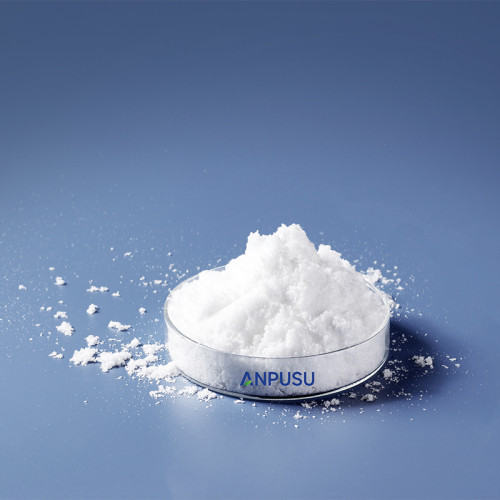
Solid ammonium sulfite is a colorless monocrystal that is hygroscopic, with the molecular formula (NH₄)₂SO₃·H₂O and a molecular weight of 134.16. At 25°C, its specific gravity is 1.41. In 100 mL of water, ammonium sulfite dissolves 32.4 g at 0°C and 60.4 g at 100°C.
The chemical properties of ammonium sulfite are illustrated as follows:
Ammonium sulfite begins to decompose at 150°C, producing ammonia, sulfur dioxide, and water.
(NH4)2SO3→2NH3+SO2+H2O
Ammonium sulfite is readily oxidized in air to form ammonium sulfate:
(NH4)2SO3+1/2 O2→(NH4)2SO4